Brisbane houses overvalued by 61%, AMP analysis finds
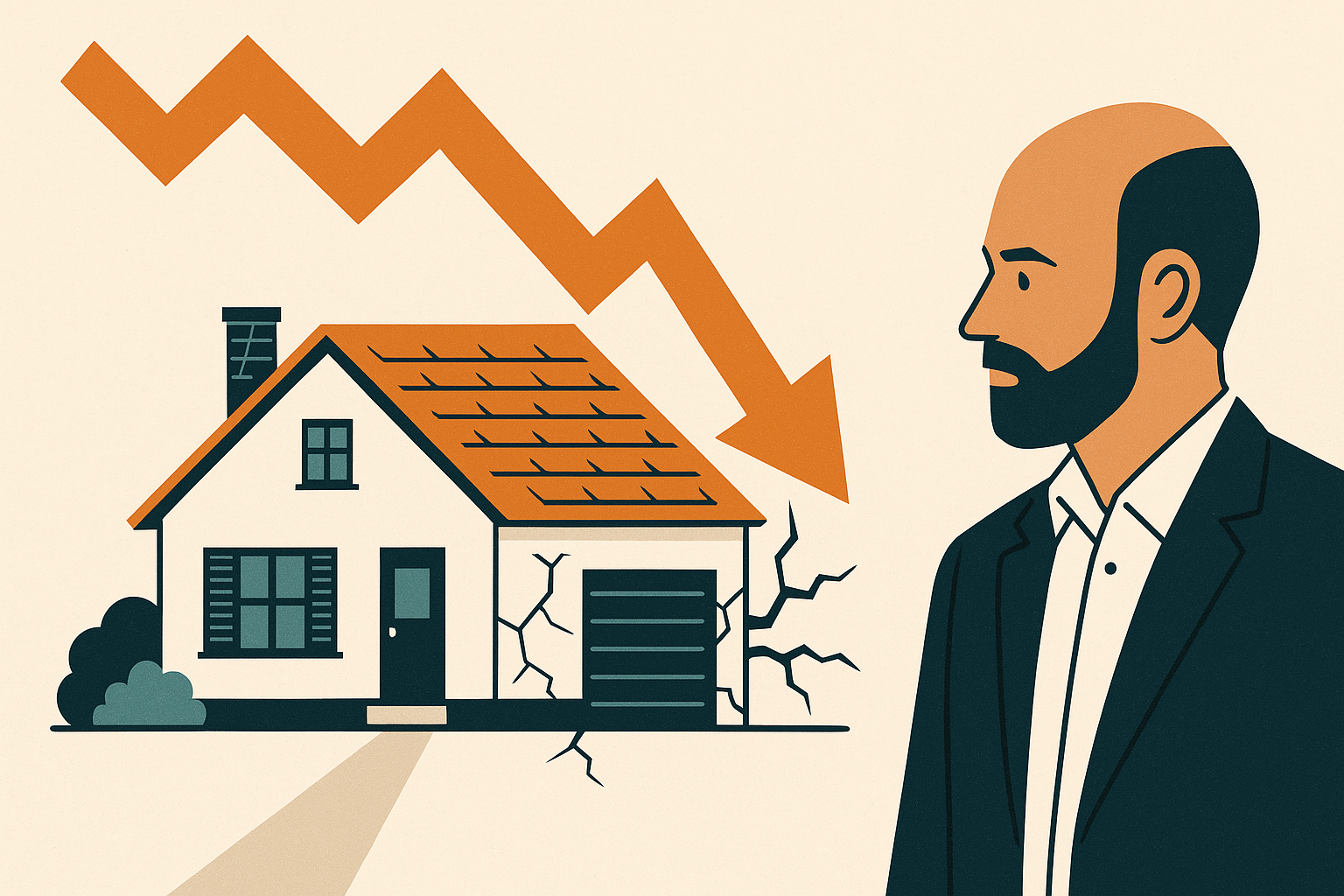
Inflation-adjusted price-to-rent ratios show capital city houses are overvalued by an average of 38 per cent, with AMP's Shane Oliver tipping falls of more than 10 per cent in four cities.
Illustration generated by AI for Property Buzz.
Years of strong price growth and high competition have left dwellings in the nation's capitals significantly overvalued, according to AMP chief economist and head of investment Shane Oliver.
An analysis of inflation-adjusted price-to-rent ratios found houses across the capitals were overvalued by an average of 38 per cent, with Brisbane at the top of the list on 61 per cent.
Units were also overvalued, but by a more moderate 8 per cent.
Oliver said overvalued dwellings could be explained by rapid dwelling growth outperforming rents, with the gap susceptible to price falls, especially in a downturn market.
"In terms of houses, Brisbane, Adelaide, Sydney and Hobart are the most overvalued and vulnerable and so are likely to see falls in excess of 10 per cent top to bottom," Oliver said.
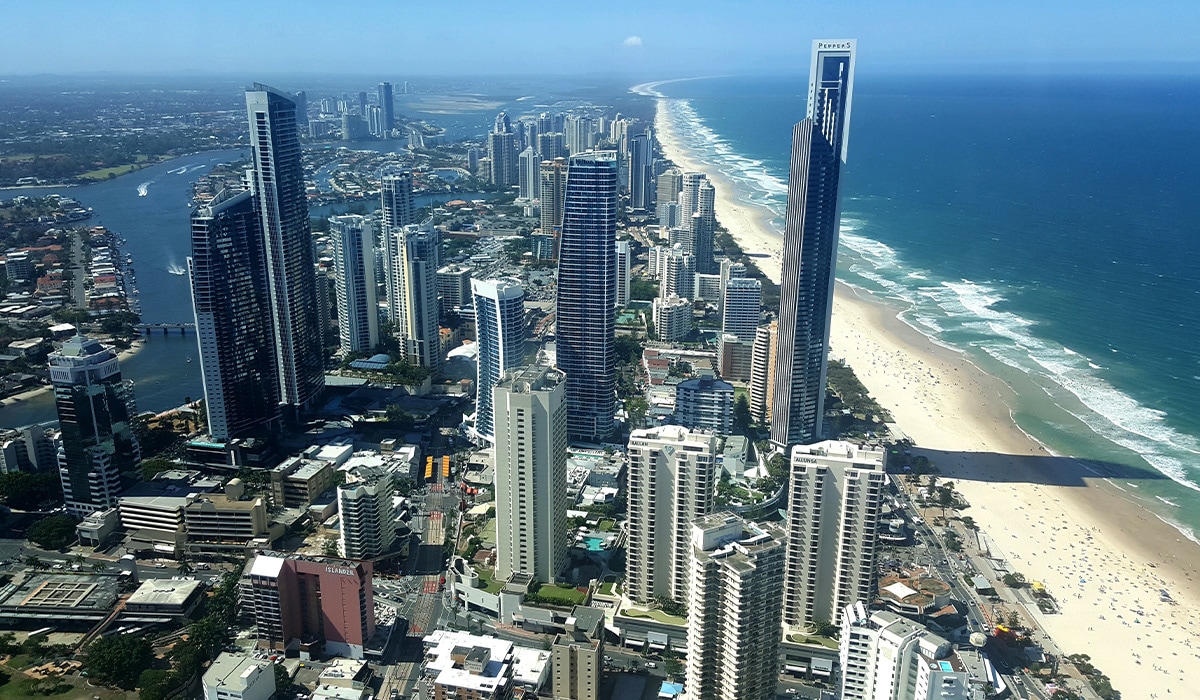
Brisbane was the most overvalued capital compared to its rents, at 61 per cent, with infrastructure spending and population migration trends supporting the city's performance. The river city's unit market was also significantly overvalued at 35 per cent, with the capital benefiting from a strong growth window in recent years.
Adelaide, Sydney and Hobart were also overvalued compared to the national average for houses, but to a lesser extent, ranking between 40 per cent and 45 per cent.
Melbourne was the most evenly balanced of the capitals, with units actually undervalued compared to their rent ratios. The Victorian capital's housing market was the closest to being evenly valued, though it was still more than 24 per cent overvalued.
"Melbourne is the least vulnerable city and could benefit if political change there leads to a more property investor-friendly environment," Oliver said.
Downturn pace to remain stable
While the market has entered a downturn, Oliver said fundamentals have supported dwelling values and softened the pace of the price fall.
He pointed to the lack of adequate housing supply, weakened sentiment, and accelerating demand from first home buyers following the expansion of the five per cent deposit scheme.
"Vendors don't appear to be in a rush to sell just yet, with new listings down from a year ago levels, suggesting that they are waiting for better prices and distressed selling is not an issue at the present," Oliver said.
"A pickup in listings in the Spring selling season could test this, though, as could the impact of further rate rises and interest rates and unemployment."
The end of an era
Oliver said the virtual removal of property tax concessions, record poor affordability and a political shift toward lower immigration could mean the end of the 30-year super cycle.
The removal of tax incentives had weakened investor activity, with most adopting a sit-and-wait approach. Investors had been reassessing their portfolios, ensuring their purchases would be a combination of lower prices or higher rents to offset the higher tax rate.
"Given that we have not seen such a structural change like this for decades, it means significant uncertainty around the size of the impact, with the risk likely on the downside for prices."
Oliver said the property market would likely see a top-to-bottom fall of 10 per cent, with the capitals dropping by 11 per cent.
"We are probably only about 35 per cent of the way through the slump both in terms of the percentage fall and months."
He said prices weren't expected to bottom out until around the June quarter of 2027, before beginning a modest recovery in 2027-28.
With many of the conditions that supported rapid growth, such as falling mortgage rates and high immigration, beginning to reverse or fade, Oliver said the property market could look very different over the next decade.
"If the property super cycle upswing is over, it could mean a decade or so of real house prices ranging sideways and a moderation in home price-to-income ratios," he said.
"It could also mean that cyclical downturns in property prices are deeper and upswings take longer for prices to reach new record highs."
Oliver said the housing supply shortfall, of between 200,000 and 300,000 dwellings, played a significant role in the rapid price growth seen in recent years.
"Of course, the ongoing housing shortage remains - which could be made worse by having fewer investors involved in the property market - and is the key sticking point, so it's hard to be definitive as to whether the property super cycle has ended or not!"