New home market cannot absorb more taxes or rate increases
Sales of new homes have fallen for a fourth consecutive month to their lowest level in…
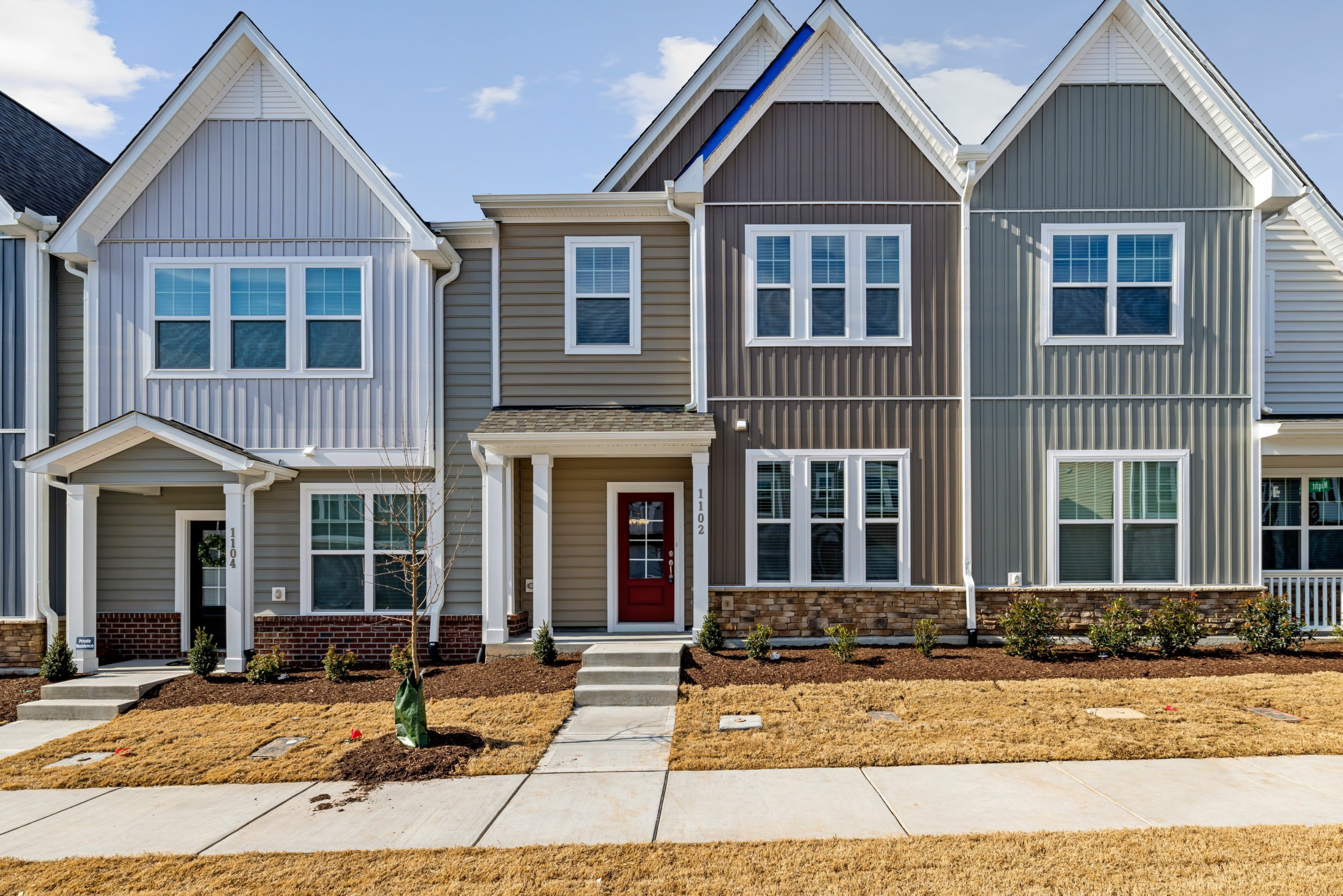
Photo by Curtis Adams
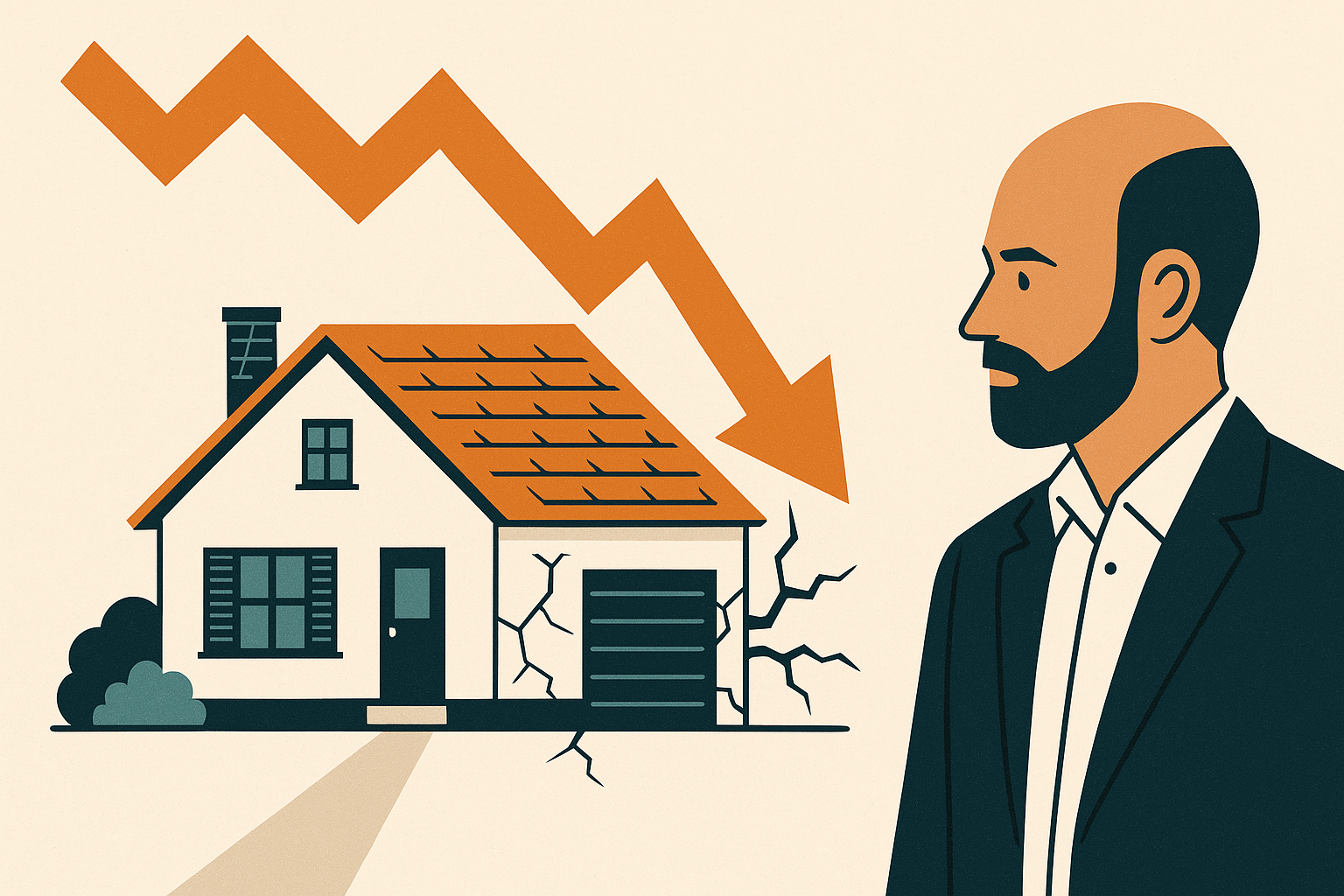
Sales of new homes have fallen for a fourth consecutive month to their lowest level in more than a year, with the Housing Industry Association warning that a significant slowdown in residential construction is now locked in for 2027.
The HIA New Home Sales report — a monthly survey of the largest volume home builders across the five biggest states and a leading indicator of future detached home construction — recorded a national decline of 10.0 per cent in August alone. Sales were 19.3 per cent lower in the three months to August than the previous quarter, and 7.7 per cent lower than at the same time last year.
“Sales of new homes declined for a fourth consecutive month to their lowest level in more than a year, ensuring that a housing market slowdown is now set to occur in 2027,” said HIA Chief Economist Tim Reardon.
The deterioration is broad-based. All five states covered by the survey recorded a decline over the three months to August, led by Victoria at -27.0 per cent, followed by Queensland (-20.2 per cent), New South Wales (-17.5 per cent), South Australia (-10.8 per cent) and Western Australia (-8.2 per cent).
Mr Reardon attributed the slump to a compounding set of pressures bearing down simultaneously on the new home market — higher interest rates, federal tax increases, falling established home prices and rising construction costs.
“The tax increases announced in the Federal Budget have weakened market confidence at the same time that three interest rate increases have reduced household borrowing capacity and increased mortgage repayments,” he said.
“Falling established home prices and rising construction costs are outcomes from the rise in taxes and interest rates and are making new home projects increasingly difficult to finance.”
The HIA noted that builders are reporting tangible signs of stress at the ground level, with weaker foot traffic through display sites, fewer enquiries, declining preliminary commitments and rising cancellation rates. Mr Reardon described the shift in conditions as both significant and confirmed.
“This is a tangible and significant deterioration in market conditions and confirms that the recovery in new home building that was underway at the start of the year, has been interrupted,” he said.
While the pipeline of work accumulated before these pressures emerged means the decline in sales will not immediately translate into falling housing commencements — with 2026 commencement figures expected to remain largely insulated — Mr Reardon was unambiguous about what comes next.
“But today’s new home sales are tomorrow’s housing commencements,” he said. “The decline in sales through the middle of 2026 will mean fewer homes commencing construction in 2027.”
The HIA cautioned that any further tightening of monetary policy would compound an already challenged market. Mr Reardon noted the difficulty in isolating the contribution of each individual pressure — higher interest rates, increased taxation or broader economic uncertainty — but said their combined effect was unmistakable. Investors and households, he said, are retreating from the new home market, and the pipeline of homes progressing towards construction is contracting.
Critically, the HIA argued that any slowdown in construction will not be matched by a corresponding reduction in housing need. Population growth, low unemployment and the existing national housing shortage will continue to drive demand for additional supply, even as the capacity to deliver it weakens.
“The new home market cannot absorb further interest rate increases on top of the tax increases announced in this year’s Federal Budget,” Mr Reardon said.
“Further interest rate increases would add another constraint to a new home market that is already challenged and the full impact of the rising taxes and rates is still to unfold. This is not the time for another rate rise.”