Loan consolidation cut one couple's repayments by $30,000 a year
Finni Mortgages brokers explain how refinancing to roll car loans, ATO debt and personal loans into one facility can free up cash flow — and where it goes wrong.

Image: Smart Property Investment
Rate rises, federal tax changes and mounting liabilities are squeezing investor cash flow, and brokers say consolidating debts into a single refinanced loan can claw some of it back.
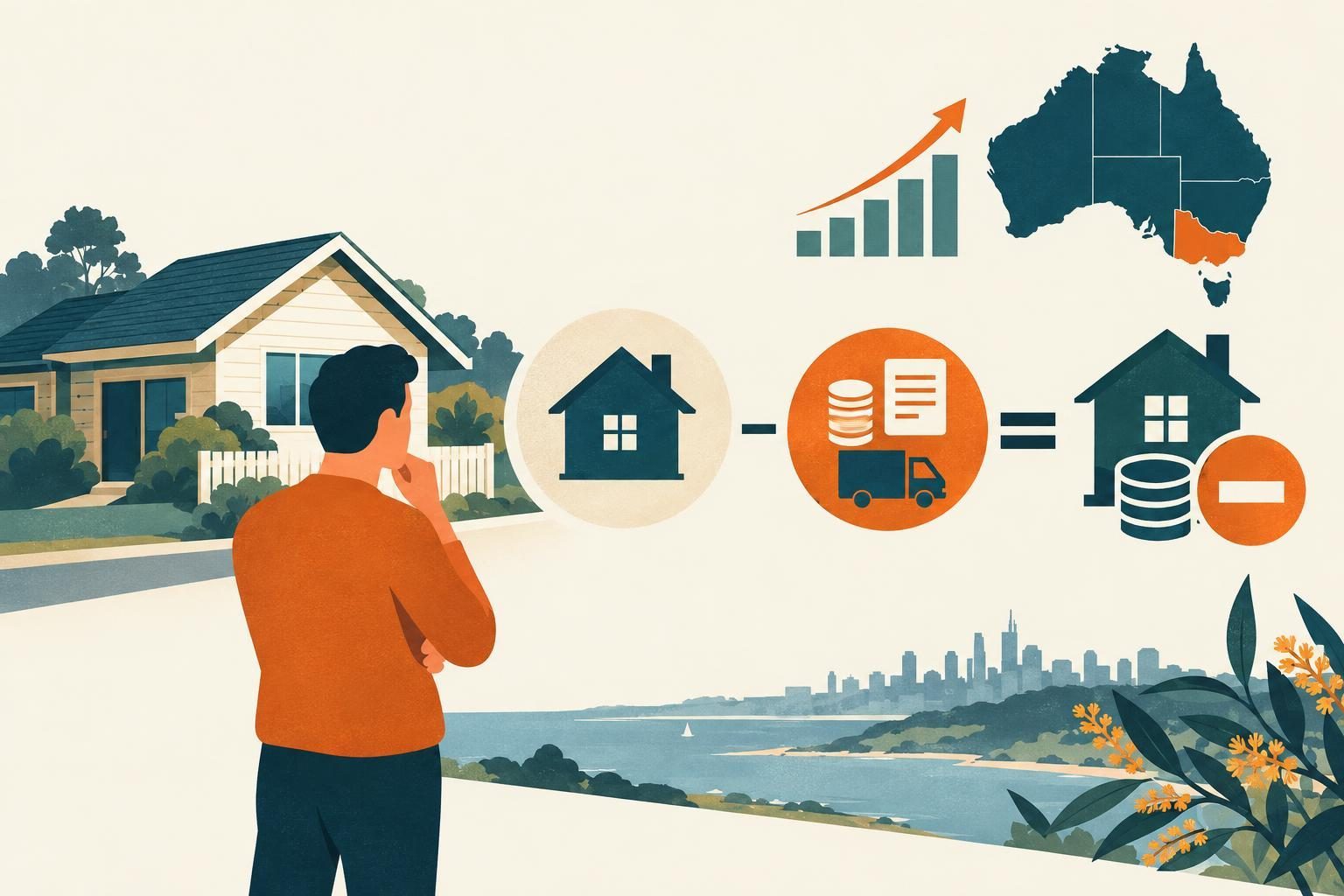
Finni Mortgages' Eva Loisance and Costa Arvanitopoulos said consolidation can boost cash flow, lower monthly repayments and free up equity for future purchases. The process involves combining several debts into one by refinancing the mortgage and using property equity to pay out other loans.
Arvanitopoulos said investors can roll in vehicle loans, credit card debt, Australian Taxation Office (ATO) debt and other personal loans.
"When you're doing things without thinking about how it needs to be structured, you put yourself in a position where you're funding all these loans and … leaking money for no reason," he said on the Which Mortgage podcast.
Loisance said consolidation is not a cure-all, and investors need to change their habits and spending or risk ending up worse off.
"You've got to be careful of debt consolidation; it's not just putting everything in one basket and off you go. So it's not for everybody," she said.
The $30,000-a-year example
Loisance said many investors are currently refinancing and consolidating to secure better rates and pull out extra equity ahead of a market shift.
"A lot of them are refinancing for better rates right now and cashing out for getting ready. The market gets better, and then there's no timing to that, but we're not at the bottom yet," she said.
Arvanitopoulos described helping a husband and wife access equity to consolidate their debts and release cash for a possible future investment. The couple wanted a second investment property but were blocked by a long list of liabilities, including ATO debt, three car loans, two truck loans and a personal loan.
"I'm like, all right, these are obviously killing them; they were paying around just over $13,000 a month in repayments," he said.
He ran the numbers and approached second-tier lenders, finding one willing to refinance the property. A valuation across the portfolio showed about $250,000 in available equity, against outstanding debts totalling $100,000.
"We still had an extra $100,000. I said, if they're looking to purchase a property, we may not be able to purchase it, but let's get him a cash out which can put him in a position to be able to purchase down the track."
A broker worked through the numbers with the couple and structured the loan up to an 80 per cent loan-to-value ratio (LVR), also arranging access to almost $100,000 in additional funds.
After refinancing, repayments fell from more than $13,000 to just over $10,000 a month — savings of around $30,000 a year.
"They still had to pay the car loan as if they had the old loan. But their interest rate decreased by 3 per cent, so they're just going to be paying it off for the next seven years – it was at a much lower repayment," Arvanitopoulos said.
Where it goes wrong
Loisance said the benefits only hold if borrowers stay disciplined with spending. Clients can clear existing debts and free up credit cards, then run the balances up again and end up worse off.
"I've been there before where I've helped clients get out of a bad situation that they've put themselves in, just to do it again later," she said.
She said borrowers should keep paying the same monthly amount after consolidating, rather than dropping to the new minimum repayment. Maintaining the old repayment level reduces the consolidated facility faster instead of creating fresh problems.
"And extending the term ease can be dangerous, so we have to make sure that people are making the same repayments that they were doing, if they can, because some of them are really struggling."
Other pitfalls include high exit fees on car loans or credit cards, which Loisance said investors should check before paying anything out early.
She also flagged that shifting unsecured debt, such as credit card or car loan balances, onto a mortgage converts it into property-secured debt.
"If the person, for whatever reason, cannot make the repayment now, it's a property that is at risk," she said.