Migration settings will help build more homes, HIA says
Australia’s migration system overhaul could prove a watershed moment for the nation’s housing construction capacity, with…

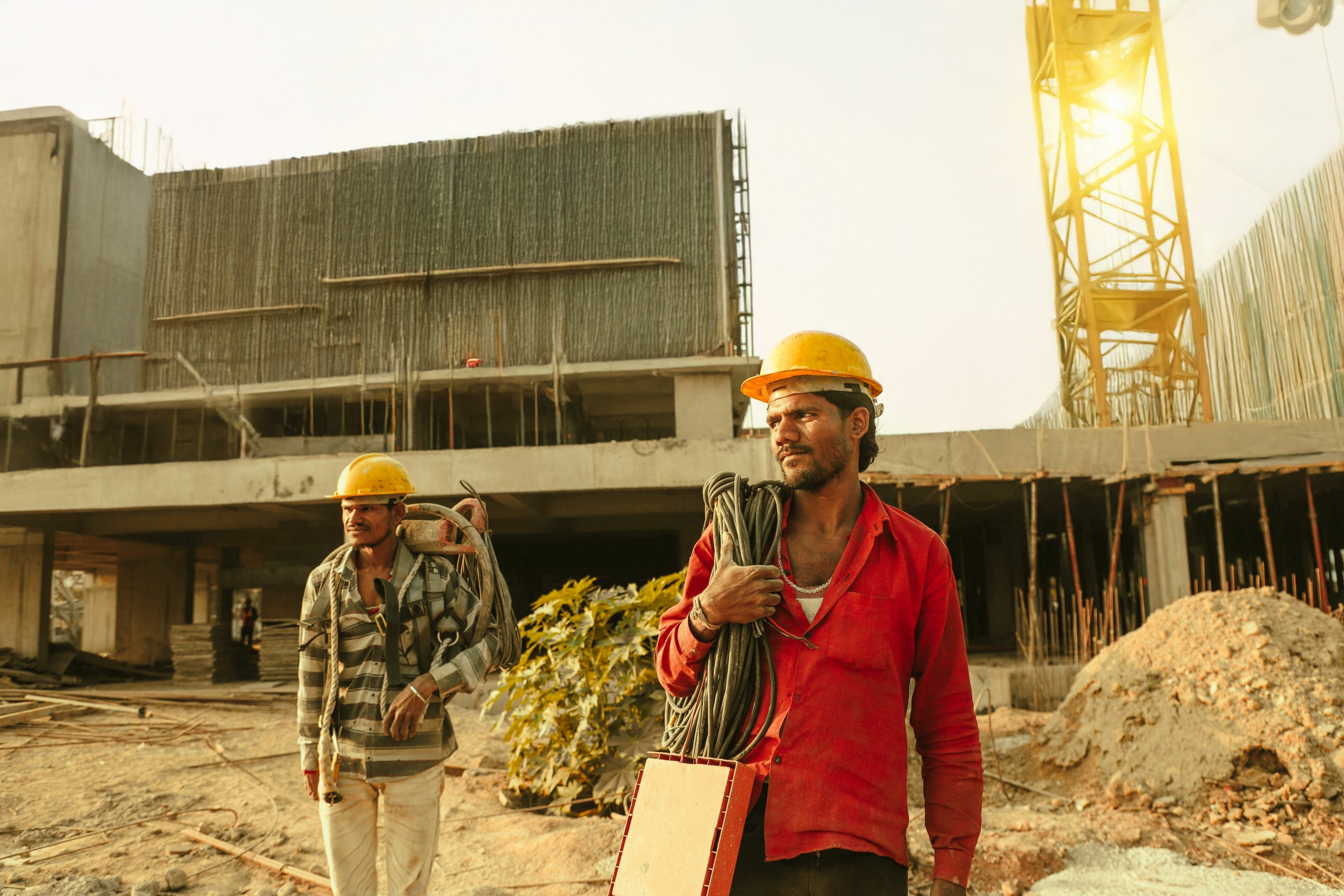
Photo by 女子 正真
Australia’s migration system overhaul could prove a watershed moment for the nation’s housing construction capacity, with the Housing Industry Association welcoming the federal government’s announcement as a meaningful step toward addressing chronic trades shortages.
Minister for Home Affairs, the Hon. Tony Burke MP, announced a reform package aimed at providing stable, long-term direction for Australia’s migration system — including priority visa processing and greater recognition of overseas trade qualifications for skilled construction workers.
HIA Chief Economist Tim Reardon described the announcement as providing the building industry with something it has long needed: a reliable pipeline of skilled labour tied to demand.
“Today’s announcement by the Minister for Home Affairs, the Hon. Tony Burke MP, provides a balanced, long-term direction for Australia’s migration system, with stable and reliable pathways for the skilled workers the economy needs,” Mr Reardon said.
The timing of the announcement is significant. On the same day, the Australian Bureau of Statistics released national, state and territory population data for the March quarter 2026, revealing that Australia’s population grew by 392,730 in the 12 months to March 2026 — well above the average annual increase of around 365,000 recorded during the 2010s.
That growth is being driven almost entirely by net overseas migration, with the country’s rate of natural increase declining sharply. Births minus deaths produced just 100,590 in the latest year, down from above 150,000 per year during the previous decade.
“This is particularly impressive given Australia’s rate of natural increase (births minus deaths) has been declining, from above 150,000 per year during the 2010s to just 100,590 in the latest year. This is being more than offset by the surge in net overseas migration,” Mr Reardon said.
The population data underscores the scale of underlying housing demand facing the country. Several states and territories now sit above their pre-pandemic decade population trajectories, led by Western Australia, which recorded a cumulative gain of 170,930 above its pre-pandemic trajectory, and Queensland at 154,570. Western Australia’s figure is particularly notable given the state has just over half the total population of Queensland.
South Australia (+50,440), Tasmania (+15,680), the Northern Territory (+6,150) and the Australian Capital Territory (+2,620) are also tracking above their pre-pandemic trajectories. New South Wales and Victoria remain significantly below theirs, at -79,740 and -221,630 respectively.
Against this backdrop, Mr Reardon was direct about the connection between migration policy and housing affordability.
“Of particular importance to the residential building industry is the recognition that skilled tradespeople are essential to increasing Australia’s housing supply,” he said.
The HIA’s position is that a well-designed, demand-driven migration system — one that recognises trade qualifications appropriately and processes applications efficiently — could meaningfully expand the industry’s capacity to deliver new homes. Mr Reardon argued the reforms, if implemented effectively, represented a structural improvement in how Australia builds its construction workforce.
“If these reforms successfully combine greater recognition of trade qualifications, priority visa processing for construction workers and more efficient recognition of overseas skills, they represent a significant improvement in Australia’s approach to building the construction workforce,” he said.
The HIA has consistently raised concerns about boom-to-bust cycles in residential construction, where labour shortages constrain supply during periods of peak demand before sharp downturns follow. Mr Reardon suggested the migration reforms could provide a buffer against that pattern.
“These policies can work to mitigate the boom to bust cycles that the building industry has endured over recent years,” he said.
With construction costs remaining a key driver of housing unaffordability, the HIA framed skilled migration as one lever among several required to bring supply and demand into balance.
“If the Australian Government wants to build enough housing and sustainably address the affordability crisis, they need to help reduce the costs of construction,” Mr Reardon said. “Addressing trades shortages through skilled migration is an important step towards ensuring Australia can sustain healthy and affordable pipelines of construction work across sectors.”